
Buying a car
What to check when viewing a used car
You do not need to know engines. You need to know where to look and what a straight answer sounds like.
9 min read
Buying a car
7 min readLast reviewed
Nearly every used car carries advisories, and nearly every buyer reads them wrongly. An advisory is not a fault. It is a tester telling you what is going to become one.
Since 2018 the MOT has used a graded set of outcomes rather than a simple pass or fail. The difference between them is not severity for its own sake — it decides whether the car passes, and whether you are allowed to drive it away.
Pass
PassesDrivable
Nothing to report. The car met the standard on the day.
Advisory
PassesDrivable
Not a fault. A component is wearing and will become one — the tester is telling you what to watch.
Minor
PassesDrivable
A real fault, but not serious enough to fail. Road legal; fix it soon.
Major
FailsNot drivable
Fails the MOT. Must be repaired and retested before the car is road legal again.
Dangerous
FailsNot drivable
Fails, and illegal to drive at all — including to and from a test. Not one to negotiate over.
Categories as defined by the DVSA. Only major and dangerous defects cause a failure; advisories are recorded on a pass.
These two get confused constantly, and the difference is the whole point of reading an MOT history properly.
A minor defect is a fault that exists right now. The car still passes, because it is not serious enough to fail, but something is genuinely wrong and should be put right.
An advisory is not a fault at all. Nothing has failed the standard. The tester has noticed wear and is telling you the component will need attention before long. Advisories are not set out in legislation — they are judgement, which is exactly why they are useful to a buyer.
A single advisory describes a component. A repeated advisory describes an owner.
Anyone can look at last year’s certificate. The value is in reading several years at once, because that is where patterns show up that no single test can reveal.
“Tyre worn close to the legal limit” in one year is ordinary wear. The same words in three consecutive years means it was never dealt with — the tyre was replaced only once it became a failure, or the car sat unused. Either way it tells you something about how the car was kept that the paintwork will not.
Every test records an odometer reading. Plotted across the years they should climb at a steady, believable rate. A flat spell followed by a jump, or a reading that goes backwards, is worth asking about before anything else on the car.
A failure followed by a pass a few days later is completely normal — something was found and fixed. What deserves a closer look is a failure on the same system more than once, or a major defect on something structural like brakes, suspension mounts or corrosion.
Advisories on their own are a poor reason to walk away from a car — a completely clean history on a ten-year-old vehicle is more suspicious than a handful of honest ones. These are the things worth taking seriously:
Everything else is a negotiation, not a deal-breaker. A known advisory with a known cost is simply information you have and the next buyer does not.
You do not have to take anyone’s word for it. Every car on this site shows its full DVSA MOT and mileage history on the listing itself — the same record the government holds, pulled live, including the advisories.
Every car here is prepared, warranted and available to view in Pontypridd — reserve online or come and see it.

1.0T EcoBoost Titanium Euro 6 (s/s) 5dr
£2,995
or £76.58/mo

1.5 dCi Acenta 2WD Euro 6 (s/s) 5dr
£3,995
or £102.16/mo
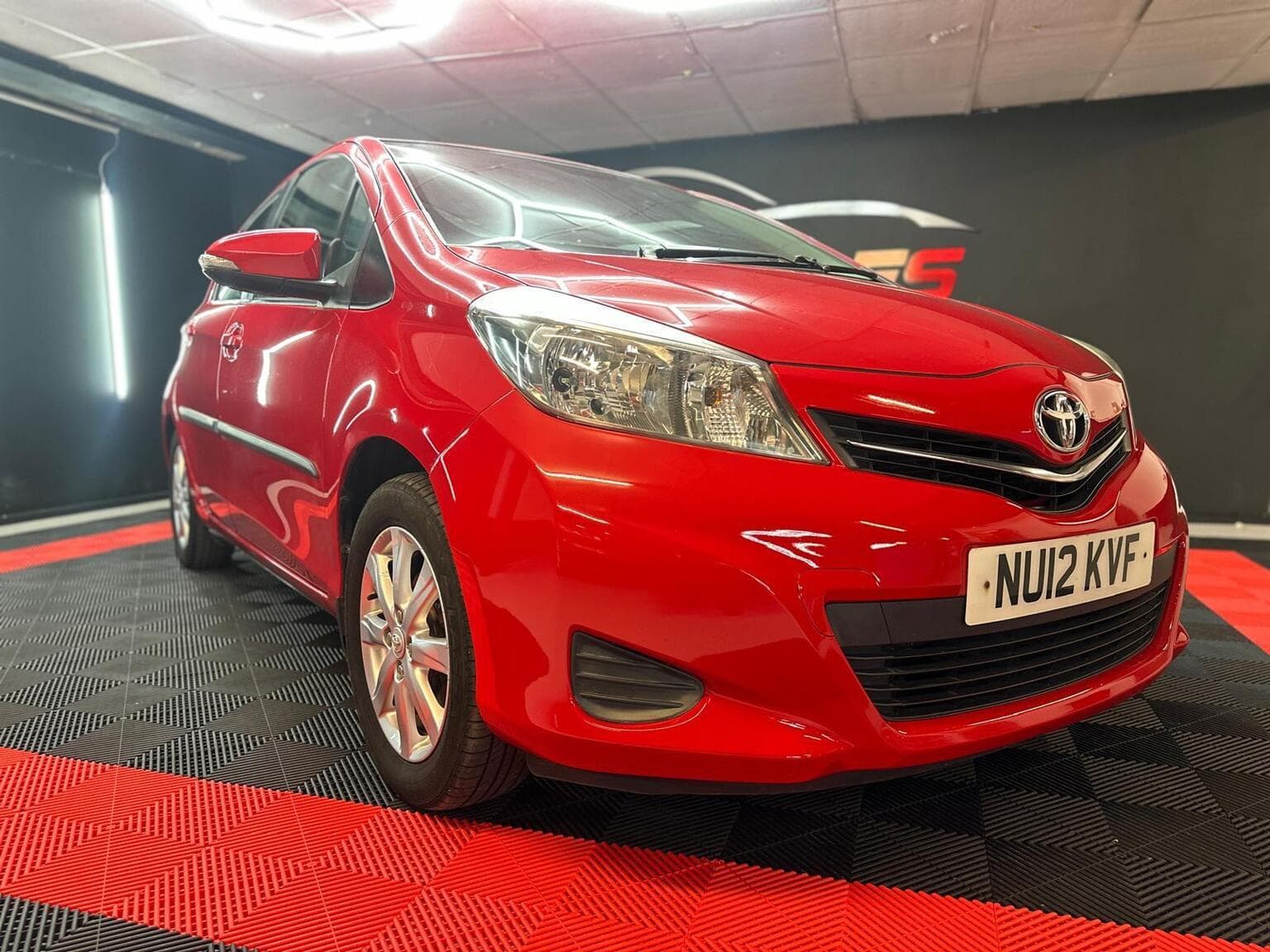
1.4 D-4D TR Euro 5 5dr
£3,299
or —/mo
Buying a car
You do not need to know engines. You need to know where to look and what a straight answer sounds like.
9 min read
South Wales
Buying is much the same anywhere. Owning a car in South Wales is not — salt, hills, and a speed limit nobody signs.
6 min read
Running costs
The windscreen price is the part everyone compares, and rarely the part that decides what a car costs you.
8 min read